Featured Toxic Flowers
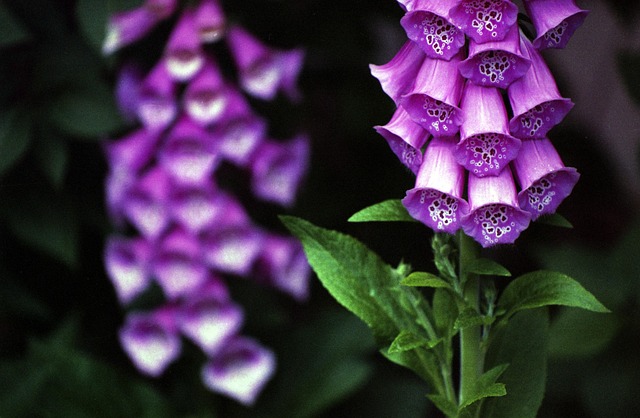
Bell-shaped flower, all parts being poisonous if ingested. The chemicals in this plant can increase the strength of heart muscle contractions, change heart rate, and increase heart blood output. This flower also contains compounds called cardiac glycosides which are used in medicine to treat heart conditions like heart failure and irregular heartbeat.
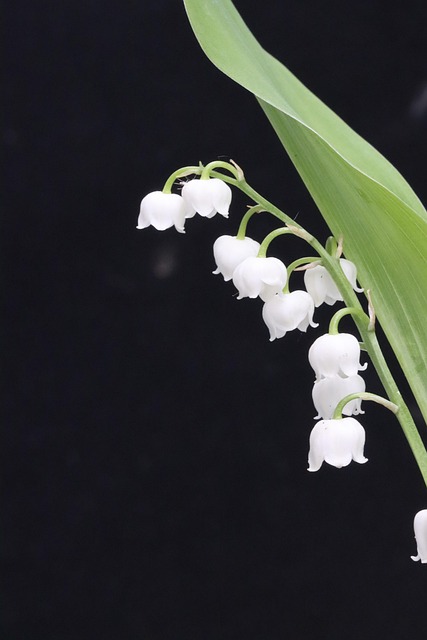
If ingested in can cause irregular heartbeat, abdominal pain, nausea, and vomiting. Aside from these symptoms if ingested, this plant is a symbol of happiness and luck, which is why it's traditionally given on May 1st in France.

All parts of this plant are poisonous. Ingestion can cause symptoms including nausea, vomiting, sweating, and irregular pulse, potentially leading to convulsion and paralysis.
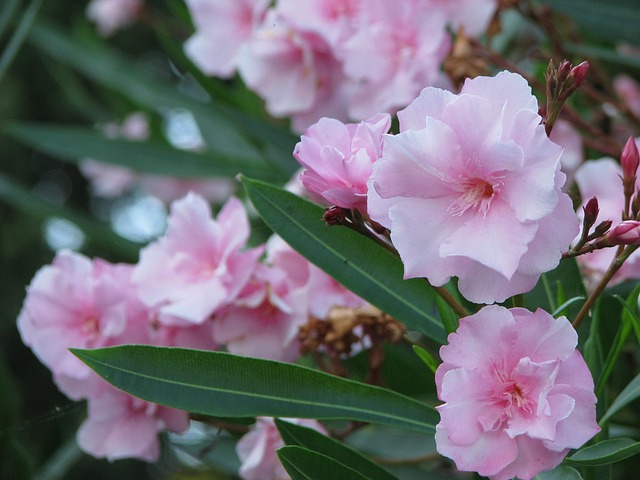
Touching this plant can cause skin and eye irritation if not handled with gloves. Ingesting Oleander byt humans or animals can cause very serious health issues. This plant can affect the heart just like other plants that contain cardenolide glycosides. The toxins of this plant can still affect you if it is burned as you can inhale the toxins through the smoke.

This plant contains compounds that can be used in traditional medicine and some species are even used to make furniture! Bees collecting nectar from rhododendron can produce a toxic honey known as "mad honey". This plant contains grayanotoxins, which are toxic compounds that interfere with sodium channels in the nervous and muscular systems.
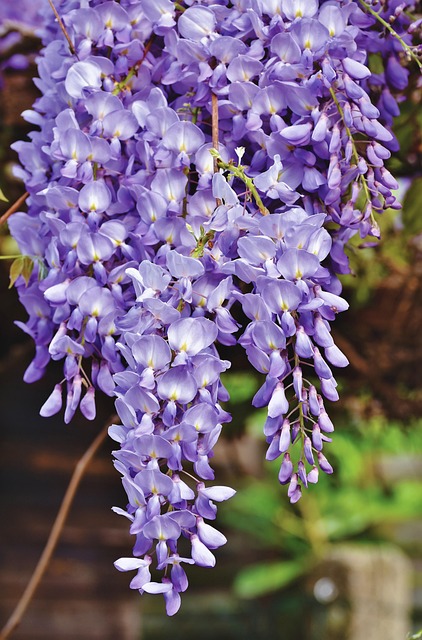
The most dangerous parts of the wisteria plant are the seeds and pods. Lectin and westerin are the harmful chemicals found in this plant. If ingested it will cause a burning sensation in the mouth, stomach pain, vomiting, and diarrhea. These symptoms can last for up to two days once they develop.